The Macro Backdrop
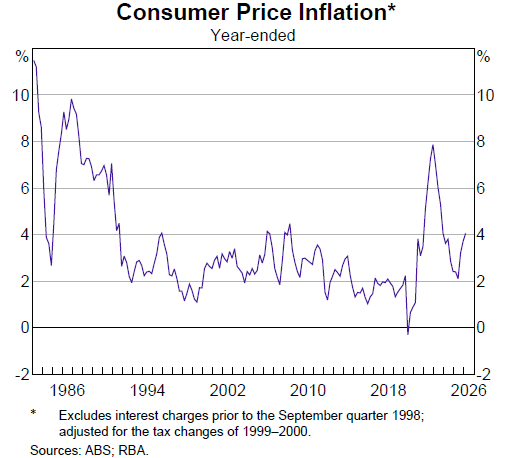
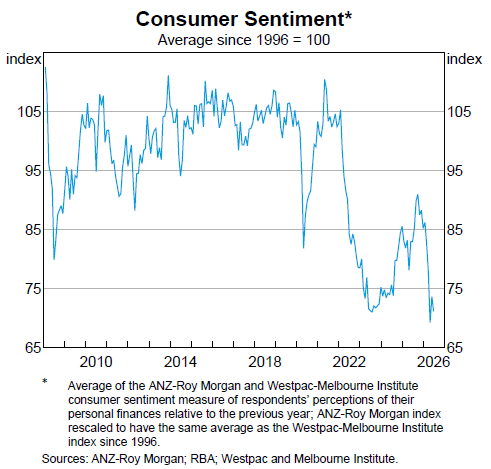
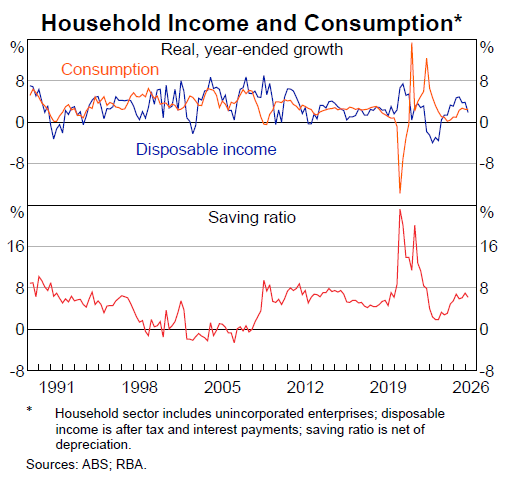
The Australian economic landscape at mid-year presents a complex backdrop for medical business owners. While economic growth remains highly resilient in specific sectors, broader consumer indicators suggest a tightening environment. Australian consumer sentiment has dipped significantly toward the mid-70s, well below its historical long-term average, driven by a recent resurgence in year-ended CPI inflation, which is currently sitting stubbornly at approximately 4%. Although real year-ended disposable incomes have improved following a multi-year contraction, actual household consumption remains flat. Instead of spending, households are actively prioritising savings and debt repayment, driving the household saving ratio up into the 6% to 8% range.
Private Healthcare's Defensive Resilience
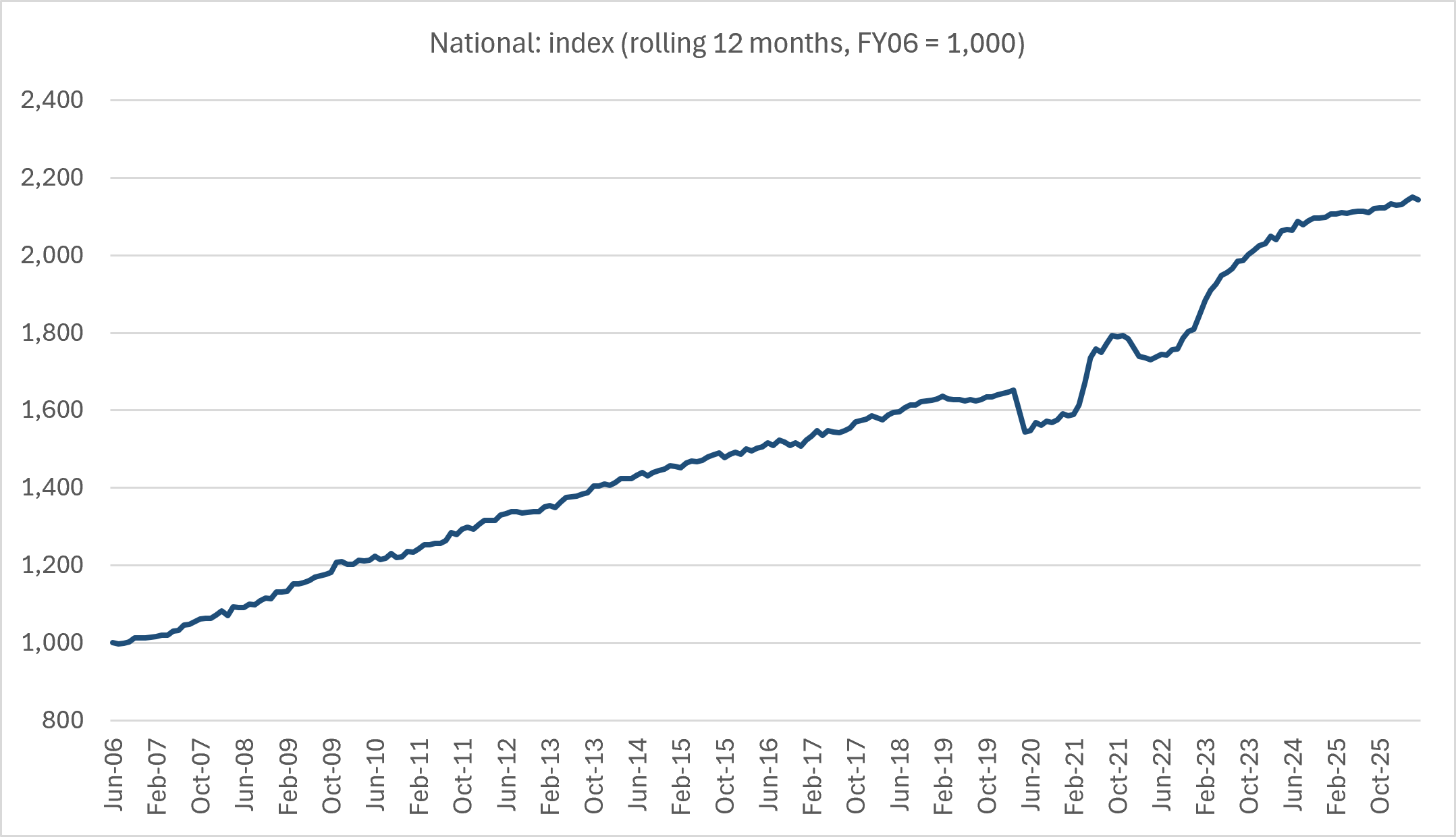
Despite these clear macroeconomic headwinds and a heavily constrained consumer retail market, the private healthcare sector continues to exhibit exceptional defensive resilience. Following a long stabilisation period after the initial post-pandemic backlog was cleared, the Australian Private Surgery Index returned to growth in March and April 2026. This upward trend indicates that clinical volumes and patient demand for essential healthcare services remain insulated from the broader discretionary spending slowdown.
What This Means for Practice Owners
For practice owners and directors, this data highlights a crucial operational takeaway: while your patient base is feeling the pinch of persistent inflation and high living costs, they are still prioritising their healthcare needs. As systemic inflation keeps upward pressure on your practice's fixed overheads and staff wages, maintaining robust operational governance, tracking clinical efficiency, and optimising patient booking pipelines will be vital to capturing this resilient demand and protecting your margins through the second half of the year.
Next steps
Connect with us to learn how Practice Alliance can help your practice.